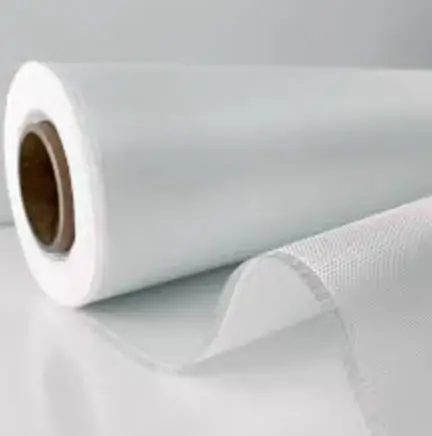
Composite materials continue to reshape industries where strength-to-weight ratio matters as much as manufacturing efficiency, and twintex fabric occupies a distinctive niche within this broader material category. Understanding what makes this hybrid textile-composite material different from traditional fiberglass reinforcement helps engineers and manufacturers evaluate whether it fits their specific application requirements.
What Distinguishes Twintex From Traditional Composites
Traditional composite manufacturing typically involves impregnating dry fiberglass or carbon fiber reinforcement with a separate liquid resin during the molding process, a method that works well but often requires lengthy curing times and careful resin management to avoid defects. Twintex takes a different approach by co-mingling reinforcement fibers with thermoplastic polymer fibers directly within the fabric itself, creating a material that can be melted and consolidated using heat and pressure rather than requiring a separate liquid resin infusion step.
See also: The Sticker That Says “Not for Human Consumption”
Manufacturing Efficiency Benefits
This co-mingled fiber structure offers meaningful manufacturing advantages, since the material can be processed using thermoforming techniques similar to those used for standard thermoplastics, significantly reducing cycle times compared to traditional thermoset composite manufacturing that requires extended curing periods. For manufacturers producing components at scale, this cycle time reduction can translate into substantial production efficiency gains.
The thermoplastic nature of twintex fabric composite also opens up possibilities for reshaping or repairing components after initial manufacturing, since the material can be reheated and reformed, a capability that traditional thermoset composites generally cannot offer once fully cured.
Common Application Areas
Twintex has found application across automotive components, sporting goods, and industrial equipment where manufacturers need composite-level strength and stiffness without the lengthy production cycles associated with traditional composite layup and curing processes. Automotive structural components in particular have benefited from the faster cycle times this material enables, supporting higher production volumes than traditional composite manufacturing methods typically allow.
Structural Performance Considerations
While twintex offers manufacturing advantages, engineers evaluating this material for structural applications need to carefully assess its mechanical properties relative to project requirements, since the co-mingled fiber structure and thermoplastic matrix behave somewhat differently under load compared to traditional thermoset composites. Consulting material property data sheets and, where appropriate, conducting application-specific testing helps ensure the material meets structural performance requirements for the intended use case.
Recyclability and Environmental Considerations
The thermoplastic matrix used in twintex also offers potential end-of-life advantages compared to thermoset composites, since thermoplastic materials can theoretically be reprocessed, whereas cured thermoset resins generally cannot be reformed once set. This characteristic has drawn increasing interest from manufacturers facing growing pressure to improve the environmental profile of composite components across their product lifecycle.
Working With Experienced Material Suppliers
Given the specialized processing requirements associated with co-mingled thermoplastic composites, working with suppliers who can provide detailed technical guidance on appropriate processing temperatures, pressures, and consolidation techniques helps manufacturers avoid costly trial-and-error during initial production setup.
Conclusion
Twintex fabric composite offers a compelling combination of composite-level performance and thermoplastic manufacturing efficiency, making it a material worth serious consideration for manufacturers seeking faster production cycles without sacrificing structural capability. Careful evaluation of mechanical properties against specific application requirements remains essential for successful implementation.
FAQs
Q1: How is twintex different from traditional fiberglass composites? Twintex co-mingles reinforcement fibers with thermoplastic polymer fibers within the fabric itself, allowing thermoforming processing rather than requiring separate liquid resin infusion.
Q2: Can twintex components be repaired or reshaped after manufacturing? Yes, because of its thermoplastic matrix, twintex can be reheated and reformed, unlike traditional thermoset composites that cannot be reshaped once cured.
Q3: What industries commonly use twintex fabric composite? Automotive components, sporting goods, and industrial equipment manufacturers frequently use twintex where faster production cycles and composite-level strength are both required